Cold laser, scientifically termed low-level laser therapy (LLLT) or photobiomodulation therapy (PBM), represents a groundbreaking non-invasive treatment modality that has revolutionized healthcare practices. Distinct from high-intensity surgical lasers that generate thermal energy for tissue ablation, cold lasers operate at power levels ranging from 5 to 500 milliwatts—orders of magnitude lower than the 300-watt lasers used in surgeries—emitting light within the 600 to 1000 nanometer wavelength spectrum without significant heat production. This unique characteristic underpins its clinical versatility and safety profile .
Historical Foundations and Mechanistic Principles
The discovery of cold laser therapy traces back to 1967, when Hungarian scientist Endre Mester inadvertently observed accelerated wound healing and hair regrowth in mice during failed tumor experiments. This serendipitous finding revealed that low-intensity red light could stimulate biological processes at the cellular level—a phenomenon now known as photobiomodulation .
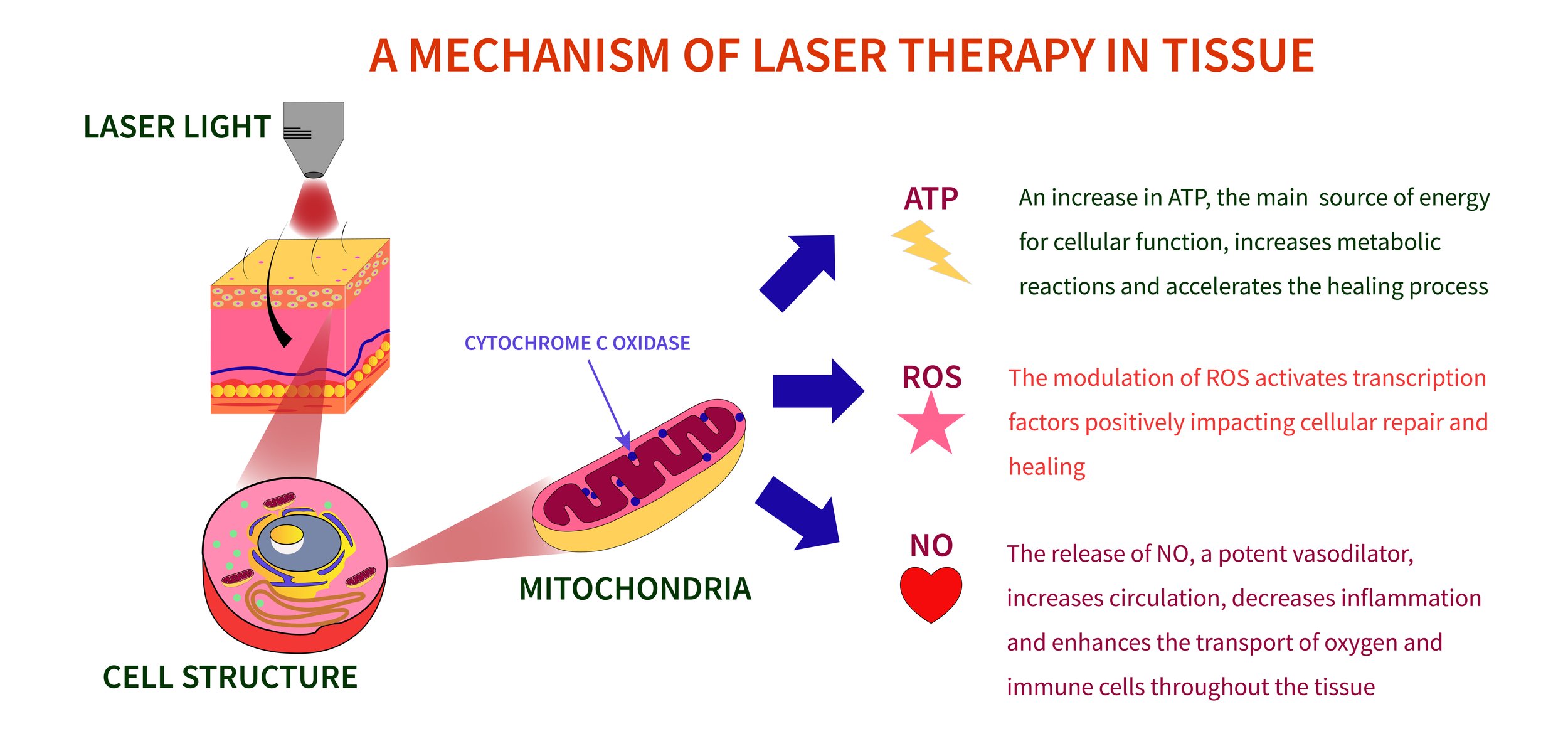
At its core, the mechanism hinges on the absorption of photons by mitochondrial cytochrome c oxidase, a key enzyme in cellular respiration. This interaction enhances adenosine triphosphate (ATP) production, amplifying cellular metabolism, protein synthesis, and tissue regeneration. Notably, specific wavelengths within the red (630–660nm) and near-infrared (810–850nm) spectra exhibit optimal tissue penetration, with deeper-acting near-infrared light targeting musculoskeletal structures and red light more effective for superficial tissues . Recent research emphasizes that therapeutic efficacy depends on precise parameter control, including wavelength, power density (typically 1–5 J/cm²), irradiation time, and treatment intervals—factors critical for reproducible results in clinical settings .
Clinical Applications: Evidence-Based Practice
Medical Therapeutics
Cold laser therapy has garnered significant clinical validation. The FDA has cleared devices like Erchonia’s XLR8® for treating acute/chronic back, neck, and shoulder pain, while its FX 635® model is approved for chronic heel pain—testaments to its efficacy supported by Level 1 randomized controlled trials . Aetna recognizes LLLT as medically necessary for preventing oral mucositis in cancer patients undergoing chemotherapy or radiotherapy, highlighting its role in managing treatment-related complicatios.
Rehabilitation and Sports Medicine
Physical therapists utilize LLLT to accelerate recovery from soft tissue injuries, leveraging its ability to reduce inflammation by modulating cytokine release and improving microcirculation. Its application in treating tendinopathies and muscle strains is backed by evidence of enhanced collagen synthesis and reduced scar tissue formation .
Veterinary and Emerging Frontiers
Veterinary medicine employs cold lasers for analogous conditions, from osteoarthritis in geriatric pets to tendon injuries in working animals. Innovations in 2024 include exploring LLLT for myopia management and dry eye disease, with preliminary studies suggesting photoreceptor modulation in ocular tissues .
Safety and Regulatory Considerations
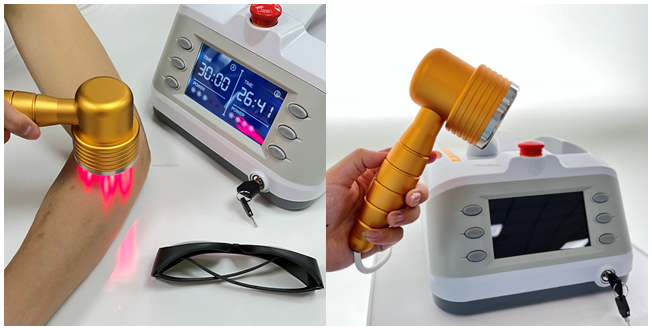
While generally safe, cold laser therapy requires adherence to strict protocols. Treatment energies are limited to prevent tissue temperature elevation exceeding 0.5°C, and ocular protection is mandatory due to potential retinal damage . Contraindications include applications over malignancies, pregnancy, and photosensitive medications—factors emphasizing the need for trained practitioners .
Conclusion
From Mester’s pioneering observations to modern FDA-cleared devices, cold laser therapy has evolved into a sophisticated intervention grounded in photobiology. Its ability to modulate cellular function without pharmaceuticals positions it as a cornerstone of integrative medicine. As research continues to unravel its potential in neuroregeneration and metabolic disorders, LLLT exemplifies how harnessing light energy can redefine therapeutic paradigms—offering a glimpse into the future of precision medicine.


